
Join the Kiwis who are hatching their tomorrow and have invested more than $2 billion with Hatch.
Thanks for the memories 💾
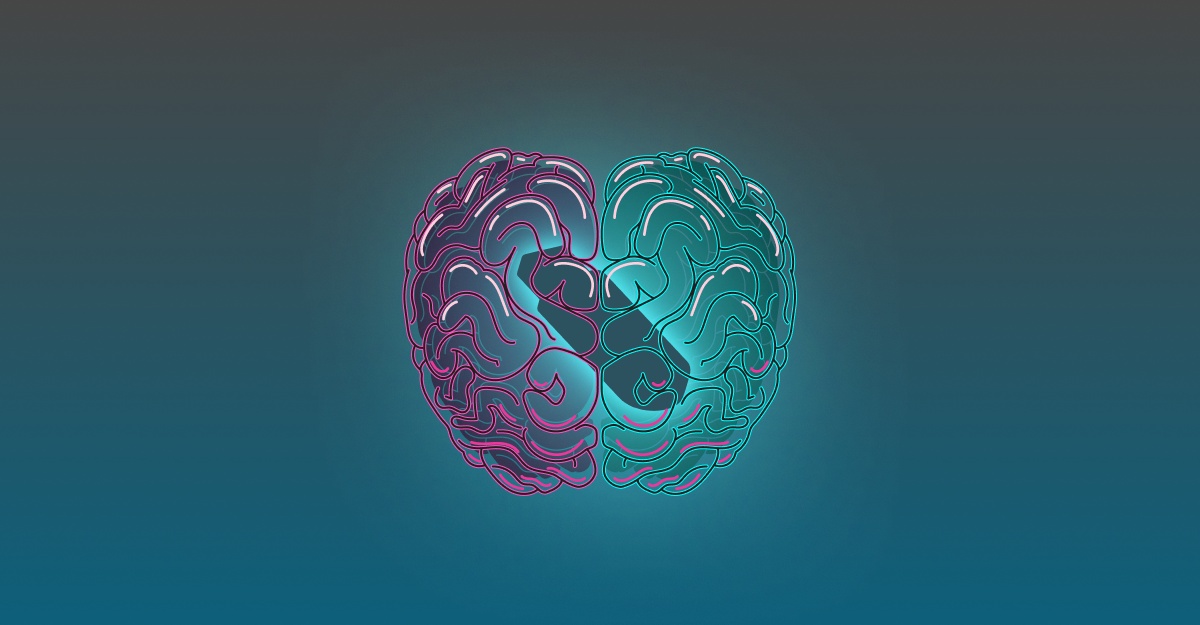
Despite having the biggest brain-body mass ratio, humans struggle to remember where we parked the car. But when AI chats hit you with ‘I don’t retain information between chats,’ it’s not acceptable. Consumers are demanding artificial intelligence (AI) that has a high level of speed and security, but underpinning all of that is personalisation, and contextual understanding. We use AI to save time, not to spend more time needlessly hu-man-splaining, re-adding context to each new conversation.
“Context is the new bottleneck - storage must be re-architected” headlined a large presentation slide as Nvidia (NVDA) CEO Jensen Huang spoke about how storing this ‘context’ is a top priority to solve.
So what is ‘context’? Put simply, context is the information that AI needs to remember from your chats, so it can get the gist of your following questions. As our chats with AI get longer and our expectations of how to use it grow, the amount of context that they need to store grows dramatically. And as we know, context matters.
Paranoid Androids 🤖
RAM seems to be having its own Era’s Tour moment – demand is off the charts. With manufacturers shifting production toward high‑margin AI memory, consumer SSD supply has tightened, and prices have jumped 257%. Gamers just can’t win. 🎮 So what is RAM? Memory is RAM, but there are different types used in artificial intelligence. Think of it like a pyramid:
- SRAM at the top – small, high-speed, and expensive (must be a SRAM thing 🚴)
- DRAM in the middle – your computer’s working memory, cheaper and slower than SRAM.
- HBM – a specialized high‑bandwidth version of DRAM used in AI accelerators; super fast, but no longer large enough to hold the ‘context’ that AI needs.
- NAND or SSD at the bottom – a cheaper, dense, long‑term storage, like the USB drive you left in the computer lab in 2007
Why should you care?
Some companies are dropping consumer business in favour of enterprise level customers, so if you’re looking to upgrade your PC, you might need to start a side-hustle to fund it.
Globally, the DRAM and HBM market is dominated by three major players who account for around 94% of market share by revenue.
- Micron Technology (MU) and,
- SK hynix and Samsung, which are so large that together make up around 45% of the market cap of the iShares MSCI South Korea ETF (EWY).
These three heavyweights control the majority of DRAM production and can significantly influence prices. And they do, with Samsung announcing an 80% increase in wholesale DRAM prices this month. However, disruption could be coming. Chinese company ChangXin Memory Technologies (CXMT) is touting an initial public offering (IPO) on the Shanghai Stock Exchange's Star Market early this year.
Early 2000’s is so hot RN 🐬
Low-rise jeans, digicams with wrist straps, and scene kid hair. The horror throwbacks persist, and so do we. Did you save assignments on a 256MB Sandisk (SNDK) USB drive? Lend a mate your Western Digital (WDC) hard drive to watch Donnie Darko?
Flash storage is right up there with Ugg Boots on the list of millennial things that aged unexpectedly well. If you'd invested your course-related costs into this hot new tech in O’ Week (instead of misappropriating it on ShapeShifter tickets and a classic blue Mitsubishi for the crew), you might’ve made a dent in that student loan, and perhaps retained a bit more of your own memory. No ragrets.
While the Y2K fashion comeback is driven by demand from GenZ, Sandisk’s popularity is driven by demand for NAND. Sandisk, spun out from Western Digital in February 2025, was added to the S&P 500 nine months later, and finished the year up over 560% as the index's top performer, with Western Digital second, and Micron Technology third.
As AI systems grow more capable, the demand for faster, denser, and more efficient memory will only increase. Whether you’re asking ChatGPT for diet tips (proceed with caution) or using it to help detect cancer, understanding the memory behind the magic helps to explain why companies in this space are suddenly in the spotlight.

We’re not financial advisors and Hatch news is for your information only. However dazzling our writing, none of it is a recommendation to invest in any of the companies or funds mentioned. If you want support before making any investment decisions, consider seeking financial advice from a licensed provider. We’ve done our best to ensure all information is current when we pushed ‘publish’ on this article. And of course, with investing, your money isn’t guaranteed to grow and there’s always a risk you might lose money.




.png)