LearnHub
Grow your financial knowledge and build your confidence.


What is an ETF Exchange Traded Fund?
Believe it or not, exchange traded funds or ETFs have been one of the biggest disruptors in investment over the past 20 years. We’ll help you to learn what ETF means, and discuss the pros and cons of these popular investments.

Custodian or own name - different ways you can own shares
What’s the difference between custodial share ownership - giving investors hands-off management - versus direct ownership allowing investors more control and self administration?

Warren Buffett quotes: Lessons on investing from the Oracle of Omaha
At 94 years young, famous US investor Warren Buffett has learned a few painful billion dollar lessons along the way. But the man famous for enjoying McDonald’s for brekkie and Dairy Queen on Sunday is still not afraid to fail.

How to sell shares - what to know before you sell stocks
Not sure if you should sell your shares, or hold them? If you didn’t think about this when you first bought shares, you’re not the only one. Even if you do have a plan of when to sell your stocks, life happens and those plans often change.

ESG Investing - What is it, and is it worth it?
Do you put your money where your morals are? ESG investing lets you align your portfolio with your values by considering Environmental, Social, and Governance factors. But how you define ethics, and how you invest, is always up to you.

Investing in gold, and gold ETFs
Is this an investment as good as gold? Throughout human history this enduring and lustrous noble metal has been a hot commodity. From ensuring your mummified self’s immortalization to hedging against inflation, it draws on thousands of years of proof (and counting!) as a way to store wealth.

What’s a ‘Pump and Dump’ scam?
A ‘pump and dump’ is a market manipulation scam designed to lure everyday investors into buying a stock that’s being artificially hyped. Once enough people have piled in and the price has risen, the scammers quickly sell their own shares for a profit — leaving everyone else holding the losses.

Dividend reinvestment explained: How DRIPs work
One cent or $5, dividends can add up. Here’s how dividend reinvestment plans (DRIPs) work, and when to use them or take the cash.
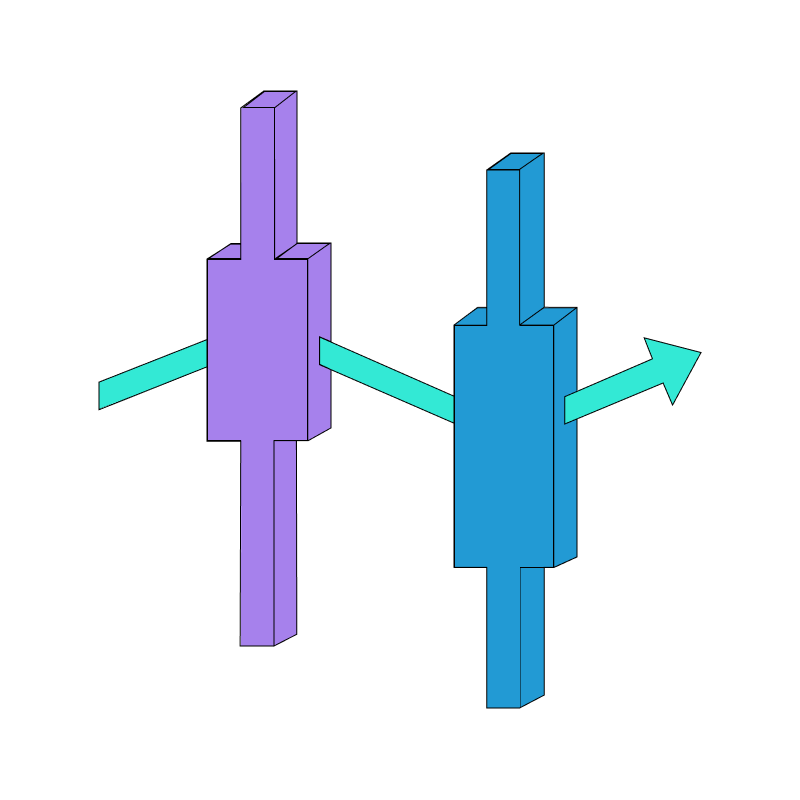
What is a candlestick chart?
Candlestick charts can help tell the story behind a stock's price movements. From Dojis and Hammers to Bullish Engulfing patterns, here's a simple guide to understanding what you're looking at.

How to invest: diversifying your investment portfolio
Diversity in its many forms, is widely considered as a factor in increasing investment performance. So how do you put portfolio diversification into practice? The old ‘eggs in one basket’ analogy has become a cliché, but it works.

What’s the difference between saving and investing?
Not sure whether you should save your money or invest it? We’ve covered the definition of saving money, and given a solid investment definition along with pros and cons of each, so you can decide what works for you.

ETF vs Stocks: What’s the difference?
You’ve done your research and you’re vibing the confidence to start investing your money. You start exploring your options and immediately hit a wall of jargon. What exactly are stocks? Or ETFs? Is one better than the other?

How compounding growth and compound interest works
Considered the eighth wonder of the world, compounding interest or compounding growth is when your money makes money faster and faster over time. Here’s how you could reap the rewards of compounding interest and put your money to work.

What is dollar-cost averaging?
Dollar‑cost averaging (DCA) is an investment strategy designed to help smooth out the financial and emotional ups and downs of the share markets. Learn how this investment strategy works, and decide if it aligns with your investment goals.

Day trading: Is it hazardous to your wealth?
Hollywood’s made day trading look exciting - after all, watching someone invest for their retirement wouldn’t make a thrilling movie or give us Leo’s epic one-liners - but perception (and Hollywood) may not be reality. Let’s unpack the pros and cons of day trading, unravelling regulations and tax obligations.


Tax on shares NZ: when you pay tax (and when you don’t)
Do you pay tax when you buy or sell shares in NZ? It’s not always straightforward. From dividends to the $50,000 FIF rule, this guide explains how tax on shares works so you can invest with confidence.

FIF tax changes in Budget 2026: what NZ Investors need to know
Budget 2026 just reshaped how NZ investors could be taxed on foreign shares. With a proposed $100,000 FIF threshold and expanded RAM rules, here’s what’s proposed, and why it matters.

Tax time made simple
Tax time doesn’t have to be taxing. Not sure whether you need to pay tax on your overseas shares? We’ve got you. Hatch makes it easy for you to understand what you need to do for your situation.

I earned less than $200 NZD dividends
If you earned less than $200 in dividends from your shares through Hatch, you don't have to do anything at tax time. We're assuming that you haven't earned any other money that the IRD doesn't know about.

I earned more than $200 NZD in untaxed income
Because you earned more than $200 in income that wasn't taxed before you received it (like your dividends through Hatch), you'll have to file a tax return. Hatch gives you everything you need and we'll walk you through how to fill it out.

FIF tax rules for individuals and trusts: $50,000 NZD or more invested overseas
NZ FIF tax rules apply if the total cost of your overseas investments went over $50,000 NZD at any point during the tax year. This guide walks you through how FIF tax works, and how to use your Hatch tax report to get your tax return right.


The confidence gap: The biggest investing mistake women make
When it comes to investing the biggest mistake women make isn’t being risk-averse, or their returns. Studies show that women are often better investors than men. So what’s really holding our wāhine back?

How to build financial wellbeing starting with a money buffer
Financial wellbeing is wellbeing, and small steps today can help you reach your goals faster and reduce stress along the way. Here are 5 simple steps to help get your money working smarter and take the worry away.

A common budgeting strategy: Paying yourself first
Paying yourself first is a great budgeting strategy for beginners. We dive head-first into an explainer of why paying yourself first is important, what it means to pay yourself first and how much you need to get started.

Can’t buy me love: Dealing with money in a relationship
Love and money can be a bit like oil and water but how you manage money could determine just how successful your relationship will be. Here’s our tips on how to deal with money in a relationship.

What is money laundering & how can it affect you?
Think money laundering is just the stuff of TV drama? TV is becoming reality, with around 2-5% of GDP (trillions of dollars!) laundered worldwide every year. Get the lowdown on this dirty biz, and how Kiwis are joining in the fight against it.


Emotional investing: What do I do when share markets dip?
Having big emotions are great when buying the perfect gift for a special someone, but it's not so ideal when emotions affect investment decisions. Learn how long term investing strategies can help you avoid emotional investing.

Investing during a recession 🌱
Learning how to invest during a recession and using long term investing strategies can help you be prepared for any economic cycle. We unpack popular investing tactics to help you weather any storm and take advantage of the ‘eighth wonder of the world’

Property vs Shares: A battle of the heavyweights
For the title fight in battle of the assets, it’s property vs shares! In one corner, property: an established investing heavyweight - thanks to prices rising sevenfold in the past three decades - and beloved by generations of Kiwis. In the other corner, shares: an established global player that’s sparring for the top title on the NZ investing scene

What is a recession?
Headlines shouting ‘recession’ might send you spiralling, imaging queues of people, cap in hand, hoping for a free bite to eat. But while it’s a highly charged word, recession is a technical term that may not be so terrifying when you dig a little deeper. So spades at the ready, we’re going in!


The Glossary
Your guide to financial terms.

Choosing your first shares: A step-by-step guide
How compounding growth and compound interest works
Day trading: Is it hazardous to your wealth?
Choosing your first shares: A step-by-step guide
Feeling overwhelmed with choosing shares to invest in? With so many options, it can be hard to decide on the best shares to buy for your situation. We can’t tell you which shares to buy, but we can share our helpful tips to boost your confidence when buying your first shares and starting your investing journey.
How compounding growth and compound interest works
Considered the eighth wonder of the world, compounding interest or compounding growth is when your money makes money faster and faster over time. Here’s how you could reap the rewards of compounding interest and put your money to work.
Day trading: Is it hazardous to your wealth?
Hollywood’s made day trading look exciting - after all, watching someone invest for their retirement wouldn’t make a thrilling movie or give us Leo’s epic one-liners - but perception (and Hollywood) may not be reality. Let’s unpack the pros and cons of day trading, unravelling regulations and tax obligations.
What is a candlestick chart?
FIF tax changes in Budget 2026: what NZ Investors need to know
Dividend reinvestment explained: How DRIPs work

How to invest in an IPO: 4 things to know

Extended hours trading: A complete guide for New Zealand investors
What’s a ‘Pump and Dump’ scam?
Ready to Hatch your tomorrow?
Join the Kiwis who are hatching their tomorrow and have invested more than $2 billion with Hatch.
